 For some time now, I’ve been craving salsa verde. I don’t really know why, or even what I wanted to do when I find it, but there was a clear deficit of the stuff in my life. Store-bought salsas are pretty much invariably disappointing, and the green varieties double so. They usually at double the cost too.
Traditionally, salsa verde is made with jalapenos, tomatillos, cilantro, and lime juice. I don’t like jalapenos (or, at least, I prefer other sources of heat), the cilantro at the store wasn’t so great, and I forgot to buy lime juice. As usual, I was not about to let this deter me.
I used:
- 3 tomatillos
- 1 cup (or so) fresh basil
- 3/4 cup Vidalia onion
- 2 Serrano peppers
- 2 cloves garlic
- 1 tbs olive oil
- 3/4 tsp celery salt
- 3/4 tsp turbinado sugar
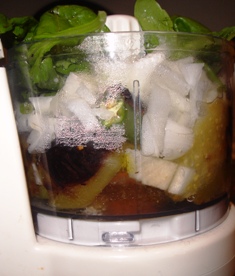
First, preheat your broiler, with the top rack as far up as it goes. Now remove the papery husks from the tomatillos, and wash the sticky stuff from them. Now, slice them in half, and place on a cookie sheet with your peppers and unpeeled garlic. Put in the broiler, about 1-2 inches from heat. They should stay in until the tomatillos are slightly charred and falling apart, which takes about 10 minutes, but you should turn everything once halfway through.
While those are cooking, chop up your onion and measure the spices.
Once everything’s cooked, take it out of the oven, peel the garlic and stem the peppers. Now, put everything into a blender or food processor and liquify. Adjust with salt, sugar, pepper, and whatever else you like, until you’re happy. Remember – the flavors will be stronger once it has cooled and congealed a bit!
Serve with chips or on enchiladas or wherever you might want a very flavorful, slightly sweet but mostly tangy, heat. It also works very well as a pesto substitute if you use more basil.

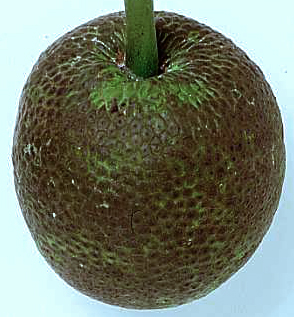 A funny thing about my West-Indian tinged upbringing is that I’ve been exposed to so many amazing foods and cuisines, but not often directly enough to learn to execute them properly. So many of the dishes I grew up loving and still think of as supreme comfort food, I have no idea how to deal with preparing. Breadfruit is a prime example: the sweet, starchy fruit’s luscious perfume transports me instantly to warmer climes and friendlier faces, but once home with one, I’ve always been a bit perplexed. A wonderful substitute for potatoes or yams, the stuff is a royal pain to cook.
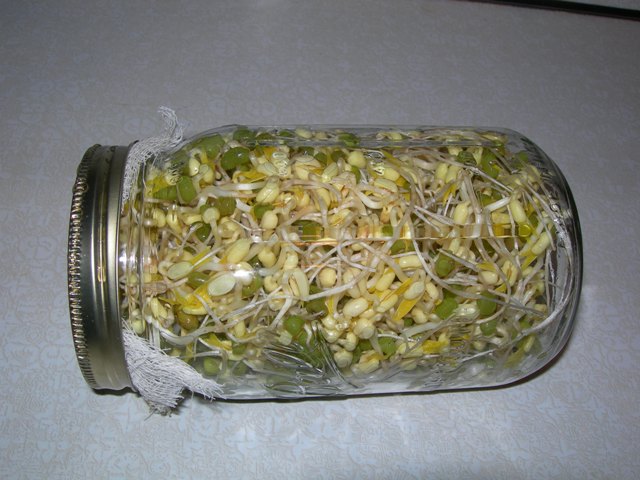 Winter is coming. And if you’re anything like me, that means that the color will all drain out of your life, leaving you a sad withered husk of the once-vibrant person you usually are. My most recent solution? Growing sprouts on the kitchen counter. Having something green and growing helps one stave off the SAD. As an added bonus, the quickest sprouts will grow in three days, giving you a much-need boost of almost-instantaneous gratification.
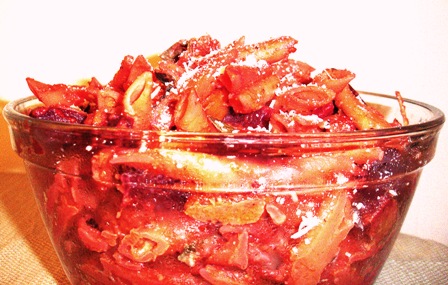 Sometimes, when you cook something haphazardly, and the results are … haphazard. On rare, wonderful occasions, they are delicious and satisfying and worth repeating in a more orderly fashion. It’s October – properly fall now – and my first proper dish of the season was one of these delightful surprises; I’ll make it again without a doubt, and a bit of advance planning will make it even more amazing.
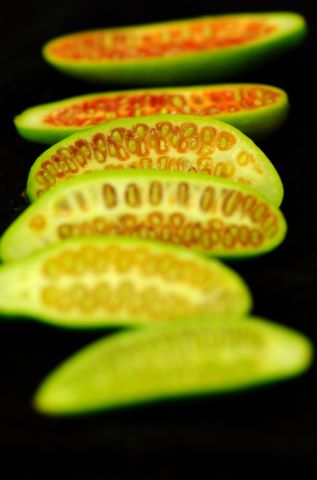 Continuing my adventures with strange vegetables from the farmers market, this week I noticed an older Indian woman being very excited to her shopping companions over a pile of small, gherkin-shaped vegetables labeled “Tindora.” My curiosity piqued, I asked her what they were and how to cook them. Her reply was that she called them “Vargoli” – the Hindi to Gujarati’s “Tindora” and the English “Ivy Gourd” – and that she sliced them and stir-fried them with mustard seed, cumin and turmeric; her companion added that ground peanuts were a good garnish. They also suggested that I pick only long skinny ones, and if any turned out to be orange inside, I shouldn’t use them.
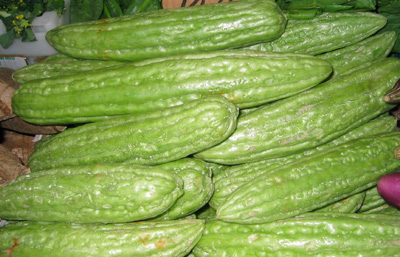 In the US we tend not to eat much in the way of extremely bitter foods – grapefruit and endive are about as bitter as we go. Despite this, I love bitter foods, and I’d long wondered about the things at the farmers market – the strange ones with bizarrely textured, bright green skin. So today I asked the girl at one stall how one might cook a bitter melon. Her response: “However you want…I usually stir-fry them or boil and mash them. They’re so tasty!” It turns out that they’re really good for you too – perhaps helping to regulate digestion and